
Four Northern California tribes are leading one of the most forward-thinking energy infrastructure initiatives in Indian Country today. Through the TERAS project (Tribal Energy Resilience and Sovereignty), the Blue Lake Rancheria, Hoopa Valley Tribe, Yurok Tribe, and Karuk Tribe are building tribally owned, solar-powered microgrids.
What Each Tribe Is Building
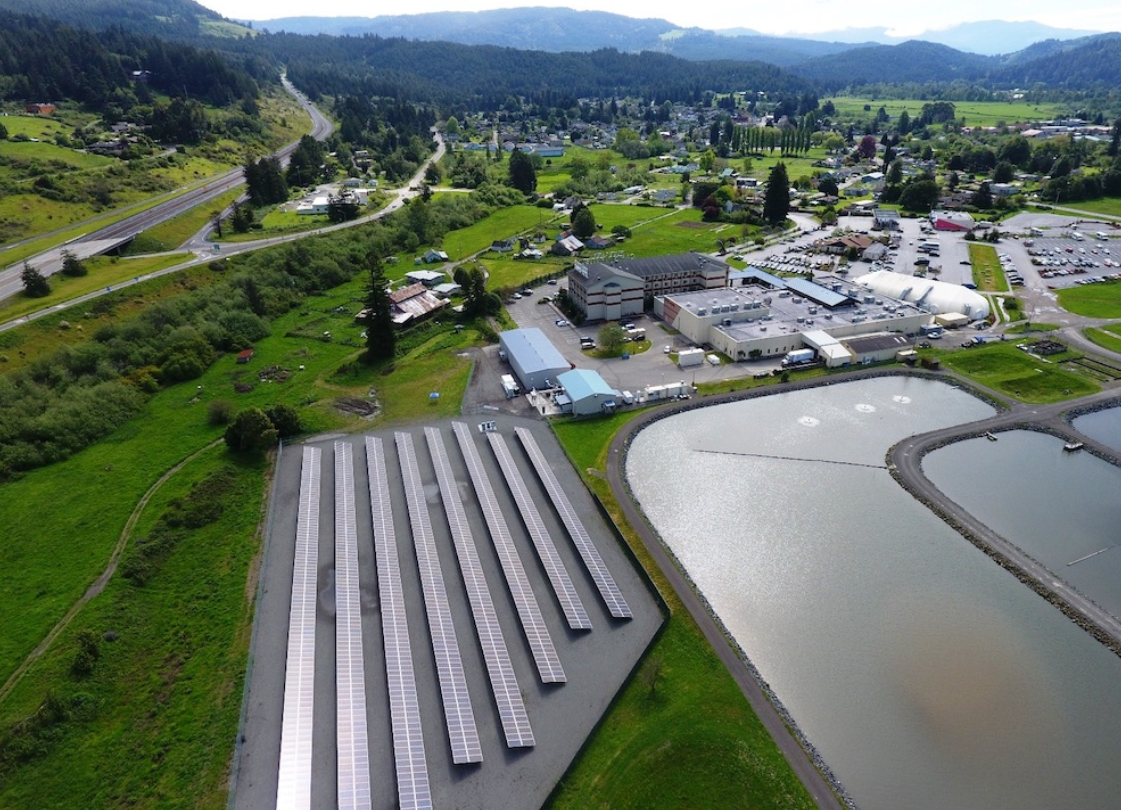
- Blue Lake Rancheria is expanding its proven microgrid. This is one of the most established tribal energy systems in the country. Online since 2017, it has already saved the tribe over $200,000 annually, kept essential services running during wildfire-related PG&E shutoffs, and shown that tribally owned microgrids are both financially and operationally effective.
- Hoopa Valley Tribe is building a system to serve one of California’s most outage-prone regions. The new microgrid will provide consistent power for homes, emergency services, water systems, and critical infrastructure.
- Yurok Tribe is investing in energy independence across remote territory where outages and access issues have long created vulnerability. The new system will deliver reliable power to serve key community functions and reduce reliance on the main grid.
- Karuk Tribe is creating a microgrid tailored for rugged, fire-prone terrain. It will help the tribe manage power in mountainous areas, reducing risks and improving service reliability for tribal members.
Each tribe will fully own and operate its system. Collectively, they are creating a connected network of smart microgrids powered by solar, battery storage, and advanced control systems. The systems can operate independently or work together to enhance regional resilience.
What’s Next: Planning for What Comes After Power
With resilient, tribally owned microgrids underway, the next opportunity is to think ahead: how can this new energy infrastructure support broader tribal goals?
A natural next step is for each tribe to begin developing feasibility studies or business plans for energy-intensive sectors that align with community priorities such as data centers, telehealth hubs, digital education campuses, cold storage facilities, or water treatment systems.
To move from concept to reality, success will depend on pairing tribal vision with the right technical, financial, and strategic expertise. With this momentum in place, now is the time to design what comes next before the window of opportunity narrows.
Laying the Groundwork for Tribal Data Centers – How?
Reliable, secure power is now essential for digital infrastructure. TERAS microgrids provide the foundation for tribally owned data centers by delivering stable energy for servers and telecommunications, enabling local control to reduce cyber vulnerabilities, creating economic opportunities in hosting and edge computing, and protecting sensitive data to support digital sovereignty.
By investing in energy independence today, tribes are preparing for long-term digital self-determination.
Why This Should Inspire Other Tribes
TERAS offers a replicable, tribal-led solution to common infrastructure challenges. It demonstrates that tribes don’t need to depend on outdated and overstressed utility systems. Instead, they can design and operate their own resilient, locally controlled power systems.
With the right partnerships, funding sources, and workforce development strategies, tribal nations can:
- Protect their communities from prolonged outages
- Keep essential services powered during wildfires and emergencies
- Build technical and operational capacity within their own workforce
- Retain full control and ownership of critical infrastructure
This project is about more than energy. It’s about long-term sovereignty, economic development, local job creation, and securing the infrastructure tribal nations need to thrive.